
General Liability Insurance in Austin, TX
Protect your business against certain third-party injury, property damage, personal and advertising injury, and legal-defense costs.
// AUSTIN General Liability PROTECTION
WHAT IS GENERAL LIABILITY INSURANCE?
General liability insurance, also called commercial general liability or CGL insurance, may help protect your business from certain third-party claims involving bodily injury, property damage, and personal or advertising injury.
It may also help with eligible legal-defense costs when a covered liability claim is filed against your business.
Risk Coverage Insurance helps Austin and Central Texas businesses compare available limits, exclusions, and coverage options based on their operations and liability exposures.

WHAT MAY GENERAL LIABILITY INSURANCE COVER?
A general liability policy may address several types of third-party claims arising from your premises, operations, advertising activities, products, or completed work. Actual coverage depends on the policy terms, exclusions, limits, and circumstances of the claim.

Third-Party Bodily Injury
May help with eligible medical expenses, settlements, and related damages when a customer, visitor, vendor, or other third party is injured because of covered business operations.
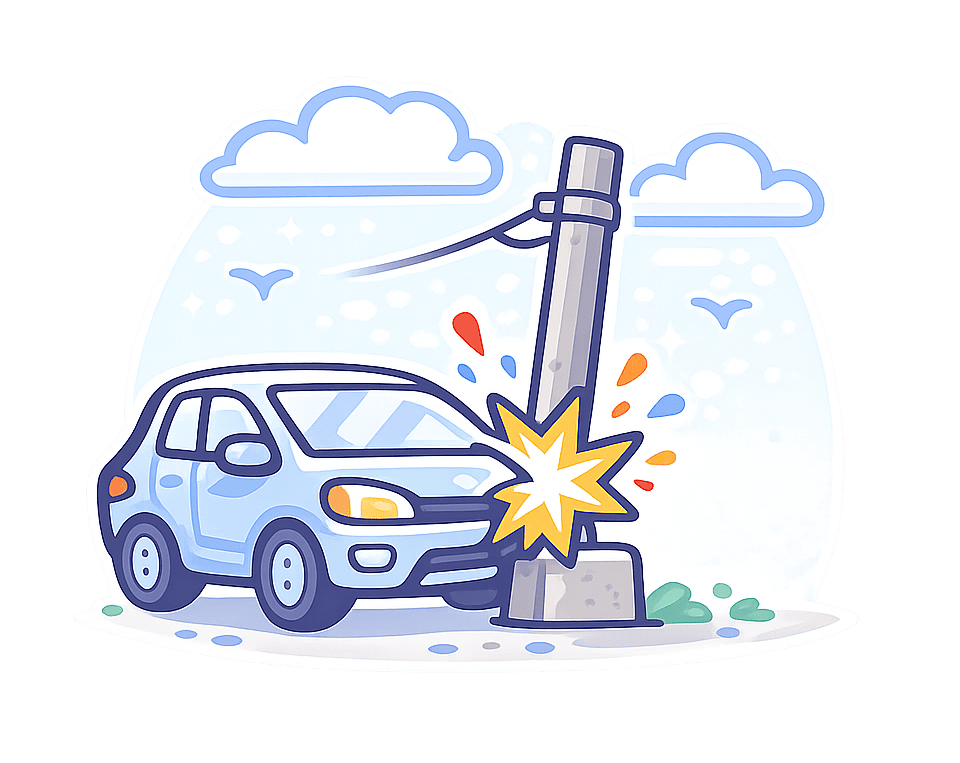
Third-Party Property Damage
May help pay for eligible damage your business causes to property belonging to a customer, landlord, vendor, or another third party.

Personal and Advertising Injury
May address certain claims involving libel, slander, false advertising, copyright infringement in advertising, or similar covered offenses.

Medical Payments
May provide limited payment for eligible medical expenses after certain injuries occurring on or in connection with your business, even when liability has not been established.

Products and Completed Operations
May respond to certain bodily-injury or property-damage claims arising after a product has been sold or work has been completed.
Legal Defense Costs
May help pay eligible attorney fees, investigation expenses, court costs, and other defense costs associated with a covered liability claim.

WHO SHOULD CONSIDER GENERAL LIABILITY INSURANCE?
Businesses with customers, visitors, vendors, leased space, job-site work, or operations performed on someone else’s property commonly consider general liability insurance.
This can include contractors, retailers, restaurants, offices, service businesses, property-service companies, and businesses that must provide proof of liability coverage under a contract or lease.
Even businesses with limited customer traffic can face liability claims from completed work, accidental property damage, or third-party injuries.
WHAT AFFECTS GENERAL LIABILITY INSURANCE COST?
Insurers evaluate the type and severity of liability exposure created by the business rather than pricing every company the same way.
Type of business operations
Number of employees
Work performed away from your premises
Prior claims and loss history
Customer and visitor traffic
Products or completed operations exposure
Business locations and property exposure
Coverage limits and policy structure
A contractor working inside customers’ homes presents a different liability profile than an office with little public traffic. A licensed insurance agent can compare available options based on how your particular business operates.
GENERAL LIABILITY VS. PROFESSIONAL LIABILITY INSURANCE
Both protect businesses from liability claims, but they are designed for different types of allegations. The distinction matters because carrying one does not automatically replace the other. TDI distinguishes commercial general liability from professional liability coverage for errors or professional services.
General Liability Insurance
Primarily addresses eligible claims arising from bodily injury, property damage, premises or operations, and certain personal and advertising injuries.
Common examples may include:
- Customer slip-and-fall injury
- Damage to a client’s property
- Injury caused by business operations
- Certain advertising-injury claims
- Completed-work liability
Professional Liability Insurance
Generally addresses claims alleging that professional services, advice, errors, or omissions caused a client financial harm.
Common examples may include:
- Professional errors
- Failure to provide promised services
- Negligent professional advice
- Missed professional requirements
- Errors or omissions in professional work
Businesses that provide professional advice or specialized services may need both types of liability protection because the policies address different exposures.
WHAT GENERAL LIABILITY INSURANCE USUALLY DOES NOT COVER
What Happens When a Claim Exceeds Your Limit?
A liability policy generally pays no more than the applicable policy limit for a covered claim.
For example, if a covered claim results in damages that exceed the available liability limit, the business may face financial exposure for amounts not paid by the policy.
This is why selecting a limit based only on the lowest available premium can create a significant gap. Consider contractual requirements, business assets, customer exposure, and the potential severity of a serious claim when comparing limits.
What General Liability Usually Does Not Cover
General liability insurance is not designed to cover every business risk. Common exclusions or coverage gaps may include:
- Employee injuries
- Professional errors or advice
- Commercial automobile accidents
- Damage to your own business property
- Cyber incidents and data breaches
- Intentional or fraudulent acts
- Employment-practices claims
- Certain contractual liabilities
- Pollution
- Damage to your own work
- Certain high-hazard operations
IMPORTANT GENERAL LIABILITY INSURANCE DECISIONS

Choose Limits Deliberately
Compare the potential size of a serious claim, your contracts, business assets, customer exposure, and financial ability to absorb an uninsured loss before selecting limits.

Review Contract Requirements
Check leases, vendor agreements, client contracts, and project requirements for required limits, certificates of insurance, or additional-insured provisions.

Review Coverage After Business Changes
Review coverage after adding locations, employees, products, new services, larger contracts, or work that creates different liability exposures
Related Coverage Options
General liability addresses important third-party risks, but businesses may need additional policies for vehicles, employees, professional services, or other exposures.
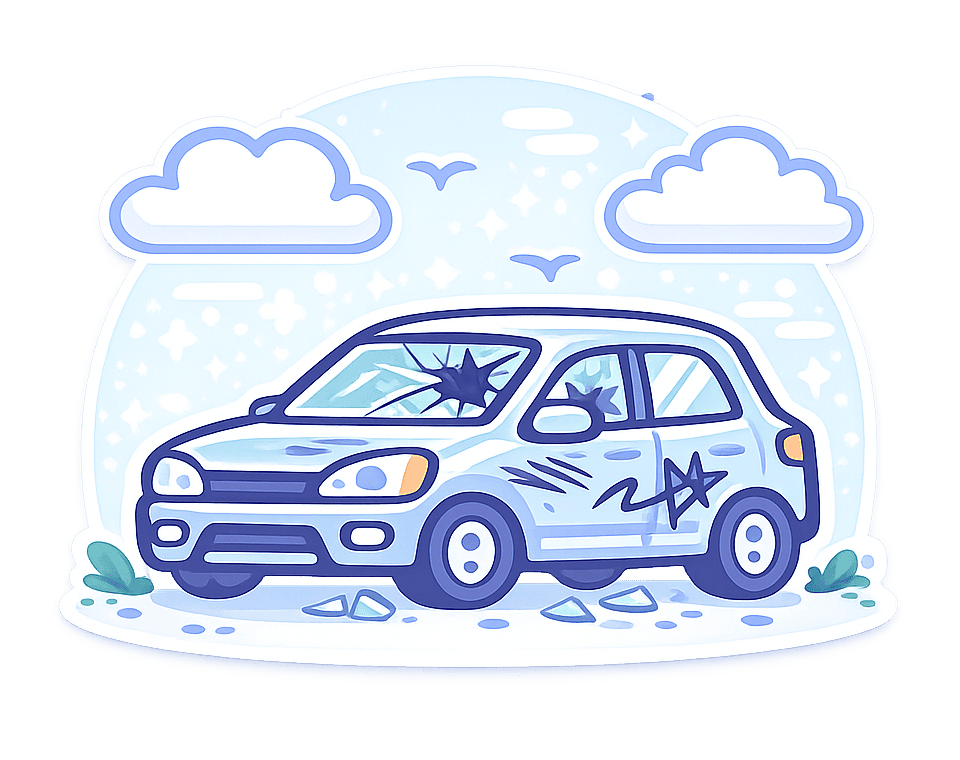
Commercial Auto Insurance
May protect vehicles used for business and address eligible liability or physical-damage losses arising from covered business driving.
Professional Liability Insurance
May address claims alleging that professional advice, services, errors, or omissions caused a client financial loss.
Workers’ Compensation Insurance
Addresses workplace injuries and occupational illnesses under applicable workers’ compensation coverage rather than general liability.
// faq
GENERAL LIABILITY INSURANCE FAQs
What is general liability insurance?
General liability insurance helps protect a business against certain third-party claims involving bodily injury, property damage, personal and advertising injury, and related legal-defense costs. Coverage depends on the policy terms and circumstances of the claim.
What does general liability insurance cover?
A policy may include premises and operations liability, third-party bodily injury, third-party property damage, personal and advertising injury, medical payments, products and completed operations, and eligible defense costs.
Is general liability insurance required in Texas?
General liability insurance is not universally required for every Texas business. However, particular industries, contracts, leases, permits, clients, or project agreements may impose liability-insurance requirements. Some regulated activities have specific liability requirements.
Does general liability cover employee injuries?
General liability generally is not intended to insure employee workplace injuries. Those exposures are typically addressed through workers’ compensation or another applicable employer-related policy.
Does general liability cover professional mistakes?
Usually not. Claims arising from errors, omissions, or professional advice generally require professional liability coverage rather than standard general liability insurance.
Does general liability cover my business property?
General liability primarily protects against covered claims involving other people or their property. Damage to property owned by your business generally requires appropriate commercial property coverage.
What is an additional insured?
An additional insured is another person or organization that receives certain liability protection under your policy when the applicable endorsement and policy terms provide it. Contracts or leases may require a business to add another party as an additional insured.
How much general liability coverage should my business carry?
There is no single limit that fits every business. Review your contracts, lease requirements, operations, customer exposure, completed work, assets, and the potential severity of a claim before choosing limits.
//Talk to an Insurance Expert
COMPARE GENERAL LIABILITY INSURANCE OPTIONS
Tell us about your business, operations, locations, and current coverage needs. A licensed insurance agent can review your request and discuss available general liability options for your Austin or Central Texas business.