
Homeowners Insurance in Austin, TX
Protect your home, belongings, and financial security with coverage built around your property, household, and liability risks.
//AUSTIN HOME PROTECTION
What Is Homeowners Insurance?
Homeowners insurance can help protect your home, personal belongings, and finances after certain covered losses.
A policy may include protection for the dwelling, detached structures, personal property, temporary living expenses, personal liability, and medical payments to others.
Risk Coverage Insurance helps Austin homeowners compare available options based on rebuilding costs, deductibles, property features, belongings, and household risks.

What May Homeowners Insurance Cover?
A homeowners policy combines several types of protection. Coverage, limits, deductibles, and exclusions vary by policy.
Dwelling Coverage
May help repair or rebuild your home after damage from a covered loss.
Other Structures
May help protect detached structures such as garages, fences, sheds, and similar property.

Personal Property
May help repair or replace furniture, clothing, electronics, appliances, and other covered belongings.

Additional Living Expenses
May help with increased temporary living costs when a covered loss makes your home uninhabitable.

Personal Liability
May help if you are legally responsible for certain injuries or property damage involving another person.

Medical Payments to Others
May help pay eligible medical expenses when a guest is injured on your property, regardless of fault in certain situations.
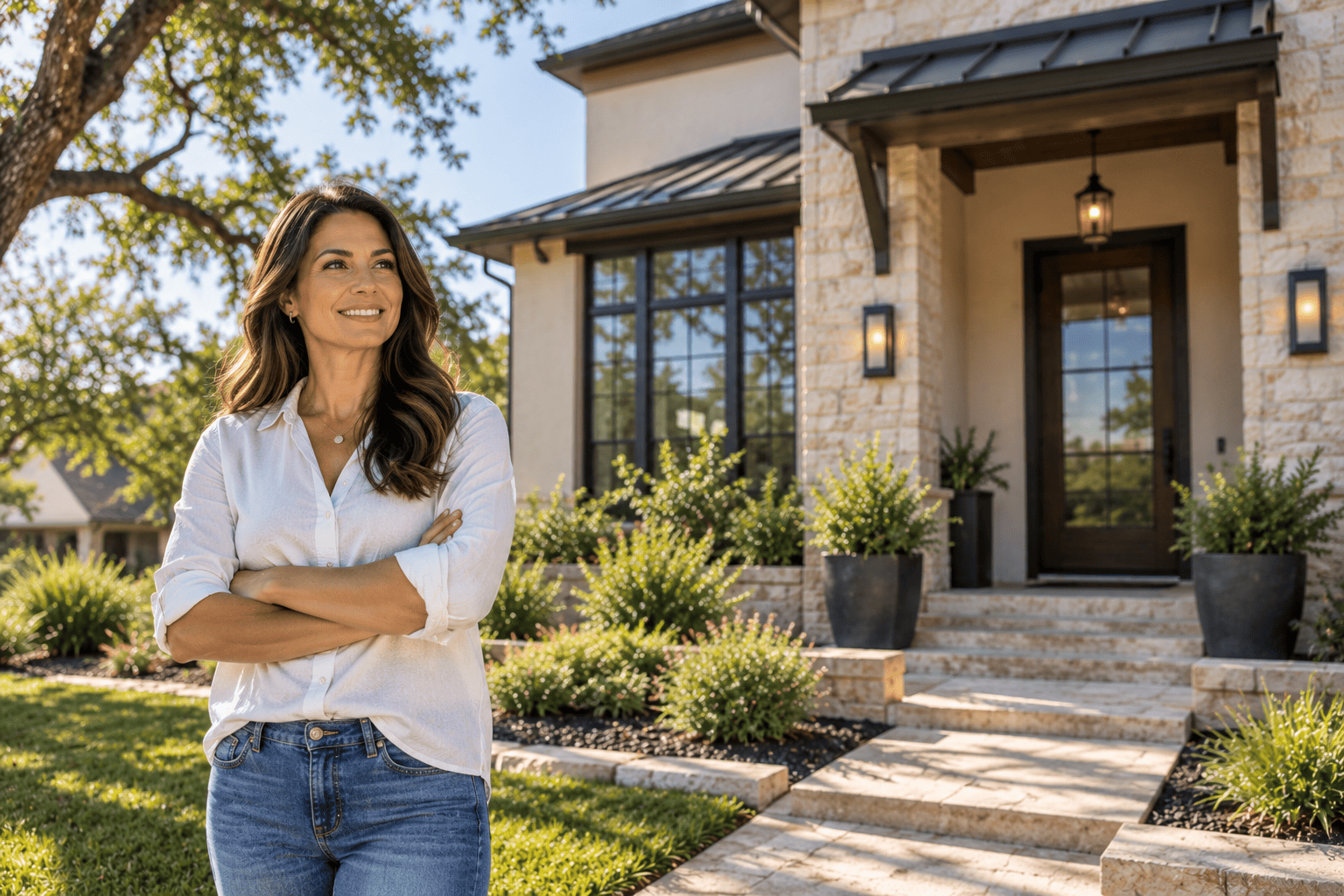
Who Should Consider Homeowners Insurance?
Homeowners insurance is important for anyone who owns a home and could face significant financial loss from property damage, theft, liability claims, or temporary displacement.
Mortgage lenders commonly require coverage, but homeowners without a loan should also consider whether they could comfortably rebuild the home, replace belongings, or handle a major liability claim without insurance.
Austin homeowners should also review risks such as hail, severe storms, wildfire exposure, water damage, and rising rebuilding costs.
What Affects Homeowners Insurance Cost?
Insurers consider the property, location, claim history, and coverage selected when pricing a homeowners policy.
Home rebuilding cost
Home age, construction, and features
Prior insurance claims
Security and protective devices
Roof age and condition
Location and surrounding risks
Coverage limits and deductibles
Optional endorsements and additional coverage
Homes that appear similar can receive different premiums because insurers evaluate property characteristics and risk differently.
Replacement Cost vs. Actual Cash Value
How your property is valued after a covered loss can significantly affect how much the policy pays.
Replacement Cost
Replacement cost generally considers the amount needed to repair or replace covered property with comparable new property.
Common considerations may include:
- Current repair or replacement cost
- Materials and construction
- Policy limits
- Coverage conditions
- Applicable deductible
Replacement cost generally does not subtract depreciation, subject to the terms of the policy.
Actual Cash Value
Actual cash value generally considers the value of damaged property after depreciation.
The settlement may consider:
- Age
- Condition
- Useful life
- Depreciation
- Current value
- Policy provisions
Older property may therefore receive a lower settlement than under replacement-cost coverage.
Review how the policy values the dwelling, roof, and personal belongings. Different parts of the same policy may use different settlement methods.
What Homeowners Insurance Usually Does Not Cover
Damage Outside Your Selected Coverage
Homeowners insurance only responds according to the causes of loss, limits, deductibles, conditions, and exclusions in the policy.
A loss may not be covered if the cause is excluded, the damage exceeds your selected limits, or required coverage was not added to the policy.
Common Exclusions and Limitations
Standard homeowners insurance is not designed to cover every type of property damage.
Common limitations may include flood, normal wear and tear, neglect, pests, earth movement, repeated water seepage, and certain sewer or drain backups.
Coverage varies by insurer and policy, so exclusions should be reviewed before a loss occurs.
Important Homeowners Insurance Decisions

Choose the Right Dwelling Limit
Your dwelling limit should reflect estimated rebuilding costs rather than simply the home's market value or mortgage balance.

Review Deductibles Carefully
A higher deductible may reduce premium but increases the amount you pay after a covered loss. Review standard deductibles along with any separate wind, hail, or other property deductibles.

Protect Valuable Property
Jewelry, watches, art, collectibles, and other high-value property may have special policy limits. Review whether scheduled coverage, an endorsement, or additional documentation is appropriate.
Related Coverage Options
Homeowners insurance can work alongside other property coverage options that address rebuilding costs, belongings, and risks not included in a standard home policy.

Replacement Cost Coverage
Helps explain how eligible property may be repaired or replaced without depreciation being applied in the same way as actual cash value.

Personal Property Coverage
Provides more detail about protecting furniture, clothing, electronics, and other belongings inside your home.

Flood Insurance
Standard homeowners insurance generally does not cover flooding from rising surface water, so separate flood coverage may be worth reviewing.
// faq
Homeowners Insurance FAQs
How much homeowners insurance do I need?
Your dwelling limit should generally reflect the estimated cost to rebuild your home after a covered loss, not simply its market value or mortgage balance.
Also review personal property, other structures, additional living expenses, liability limits, deductibles, and optional endorsements.
Does homeowners insurance cover roof damage?
It may cover roof damage caused by a covered event such as wind, hail, fire, or a falling object.
Coverage can depend on the roof's age, condition, deductible, policy terms, and how the policy values the roof.
Does homeowners insurance cover water damage?
It depends on the source.
Sudden and accidental water damage from a covered plumbing event may be covered, while flood, repeated seepage, maintenance problems, groundwater, and sewer backup may be excluded or require separate coverage.
Do I need flood insurance?
Standard homeowners insurance generally excludes flood damage caused by rising surface water.
A separate flood policy may be appropriate depending on your property, location, lender requirements, and tolerance for an uninsured loss.
What is the difference between replacement cost and actual cash value?
Replacement cost generally considers the cost to repair or replace covered property without subtracting depreciation.
Actual cash value generally accounts for depreciation when determining the settlement.
Do I need umbrella insurance with homeowners insurance?
Umbrella insurance may provide additional liability protection above eligible homeowners and auto policies.
It may be worth reviewing if you want higher liability limits or have exposures such as rental property, pools, frequent guests, or significant assets.
//Talk to an Insurance Expert
Compare Homeowners Insurance Options
Tell us about your home, current coverage, and concerns. A licensed insurance agent can help you review available homeowners insurance options for Austin and Central Texas.